




Legalities of Living in a Garden Room: What You Need to Know
01.04.2024
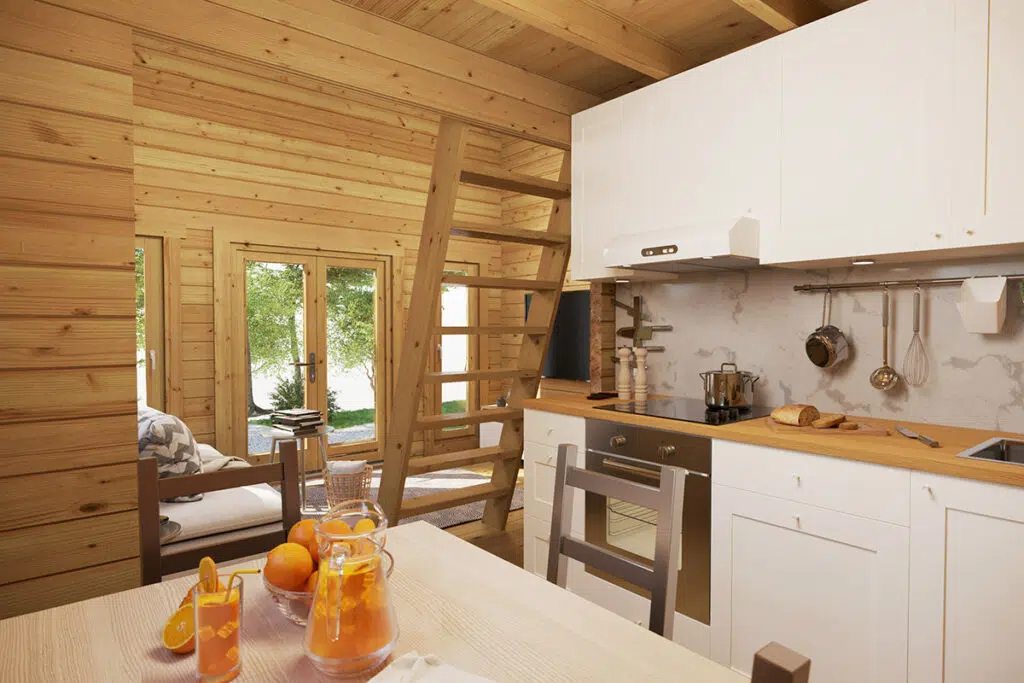
A garden room, a small outbuilding, can be quickly added to any outdoor space and used as a cozy extra bedroom. There are many different options available on the market when it comes to garden rooms, some are designed to become garden offices, hobby rooms, and art studios, and can even have multiple functions.
A garden room, like a house, can have heating, insulation, and even a kitchen or bathroom. In other words, it can be quite easy to build a garden room that functions similarly to an extra home. In terms of legality, however, there are some differences between garden rooms used for certain activities and garden rooms used as sleeping accommodations.
People may sleep in a garden room for reasons like napping in a garden office or hosting guests overnight. These situations are temporary and don’t raise legal concerns for occasional use. These situations are temporary and do not require legal concerns for occasional use. You don’t need planning permission if you don’t use a garden room as a permanent home.
However, garden rooms can become permanent dwellings when you use them as granny annexes or extra bedrooms. If you use a garden room as a bedroom often, it becomes your main home in the eyes of the law.
Garden Room with Sleeping Accommodation: Legal Aspects

In the UK, sleeping in a garden room without permission or following rules can result in penalties. Make sure to get the proper approvals. If you use the garden room in a way that violates local planning rules or building standards, you might face:
Enforcement Notices: Local authorities can make you change your property back to how it was or stop a certain use.
2. Fines: Failure to comply with planning permissions and building regulations can result in fines. The amount can vary depending on the severity of the violation and the local council’s policies.
3. Legal Action: If the situation is serious, the council may take legal action, possibly leading to court proceedings.
Demolition Orders: The council can order a building to be destroyed if it was built without permission. This is considered a last resort measure.
It’s essential to note that occasional use, like guests staying overnight or occasional napping, typically doesn’t require planning permission. Changing a garden room into a home may need permission from authorities because of rules about construction and land use. Before making significant alterations to your garden room, check with your local planning authority to avoid penalties.
A self-contained accommodation, such as a garden room that we use as an extra bedroom or as a granny annexe, mustcomply with local building regulations. These regulations ensure that any dwelling is safe for sleeping and living inside and include:
- Fire protection
- Means of escape in case of fire
- Heating
- Ventilation
- Building stability
- Appropriate foundation and floor construction
You will also have to pay additional council tax for every self-contained accommodation installed on your property. After completion, they will inspect your building room and issue a certificate.
Frequently asked questions:
Can I live in a log cabin in my parents’ garden?
You can live in a log cabin in your parents’ garden if you follow the rules. The rules include getting permission and paying taxes. If you check all these boxes, then you can safely live in a log cabin, a garden room, or a garden house.
How close can a garden room be to a house?
Building proximity laws differ by region, making it hard to find a single answer that applies everywhere. Keep your garden room at least 50 cm away from other buildings for stability.
Be mindful of where you place your garden room to prevent rainwater from flowing into your neighbor’s yard. Keeping your garden room 1 meter away from any boundary is best. Check local rules and talk to your neighbors to make sure they’re okay with your plan.
Do you need planning permission for a garden room to live in?
Yes, you need planning permission if you use a garden house as a permanent extra living space. However, you only need permission when using the garden room as a sleeping accommodation daily. For rest of the uses like as a home office, you will not require planning permission.
What is the penalty for living in a garden shed in the UK?
Living in a garden shed without following building rules can lead to eviction, fines, or even the shed being torn down. The consequences vary based on the shed’s structure and other factors.
In Conclusion
We hope we made it easier to understand how to get planning permission for a garden room bedroom. We want you to have a clearer understanding of the process. If you have any questions, please feel free to ask.
Garden rooms used as homes should follow the same laws as our main house. A garden room with a bed is a good investment. Garden rooms can be used as a place for a grandparents, teenagers, or guests to stay.
Find out about planning permission for garden buildings in the UK in our guide. You can also ask our experts for advice on how to obtain it.
Categories:
Useful Tips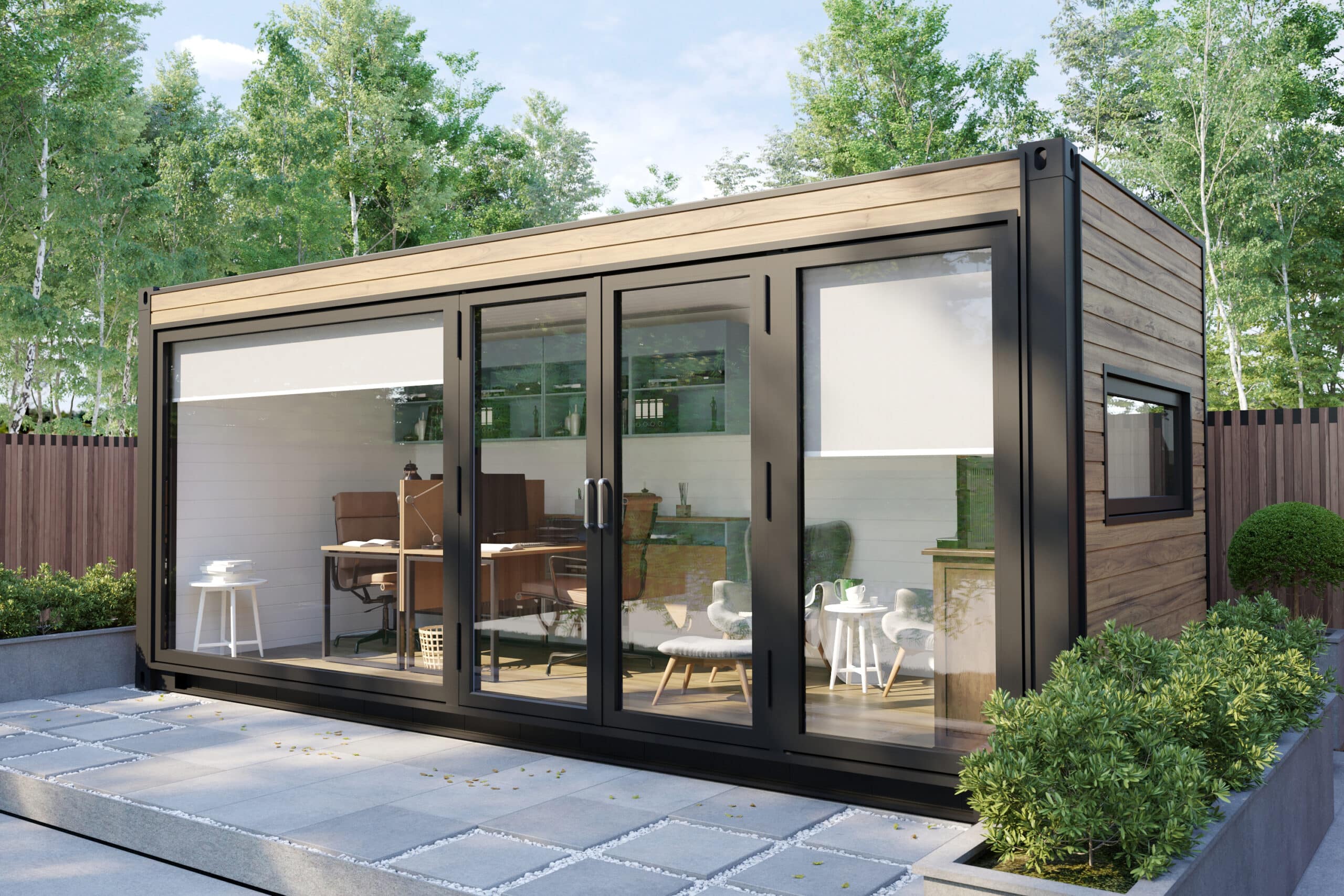
When planning a garden office in the UK, integrating both functional needs and personal style is key, especially when various types of structures are available, such as garden office pods, cabins, and insulated offices. Here’s a refined approach incorporating these elements: There are more areas to cover as per your needs but above areas are…
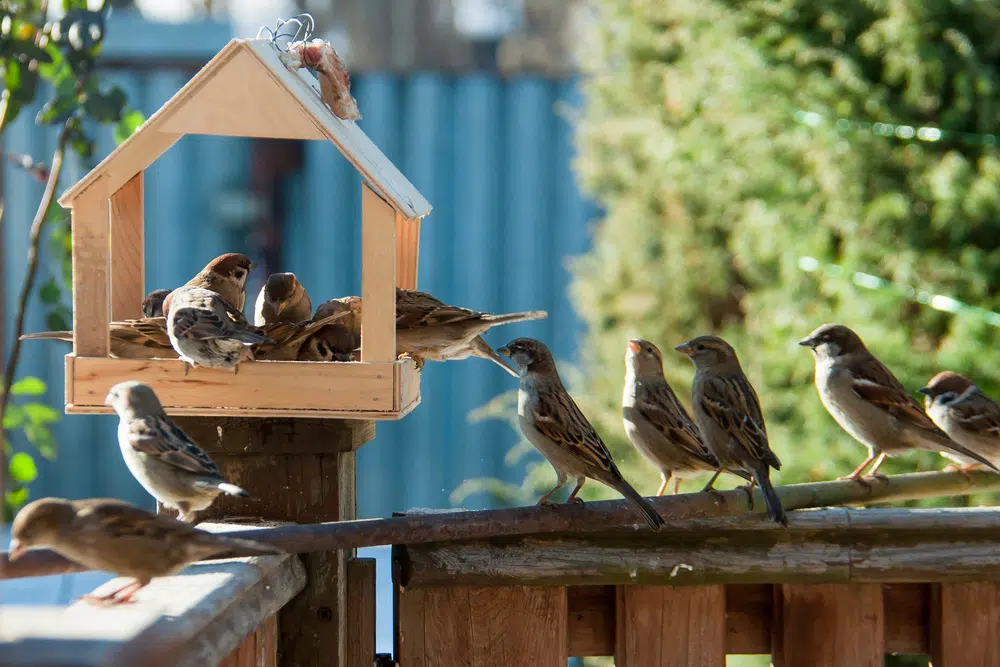
With summer fast approaching, it’s the perfect time to turn your garden around the summer house into a sanctuary for our feathered friends. Here are “10 Things You Can Do to Help Wild Birds Around Your Summer House,” packed with tips that are easy to apply in your garden to support birdlife throughout the season….
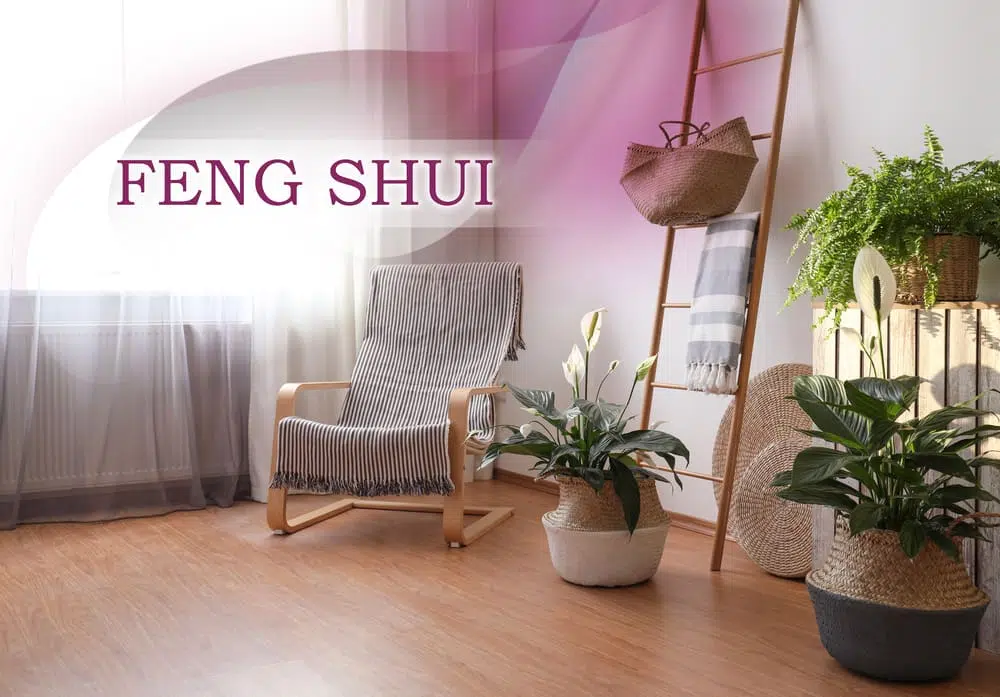
In 2024, as we celebrate the ‘Year of the Dragon’ in Chinese mythology, a year rich in symbolism representing strength, power, wisdom, nobility, good fortune, and success, it’s crucial to harness positive energies not only within our homes but also in the extensions and additional spaces nestled in our backyards. Garden rooms offer a canvas…
Hey there, cool parents of the digital age! Are you looking to up your game and provide your growing kids with a space where they can chill, create, and just be themselves? Look no further than your backyard! That’s right, we’re talking about transforming that garden room into a den of dreams for your teenagers….
Want to discuss over phone. Let us call back to you
If you need any additional info regarding any product, please fill in the below form and we will get back to you, usually the same or next working day.
Have any questions regarding some product?
If you need any additional info regarding any product, please send us your questions.