



Golf Simulator Flooring: Turf, Mats and Subfloors Explained (UK Guide)
Published: 11.09.2026 / Last updated: 11.09.2026

Looking for golf simulator flooring advice? We’ve got you covered. Once you’ve picked the launch monitor and sorted the screen, it’s time to decide what’s actually going on the floor.
Table of contents
Depending on your situation, picking the right flooring may not be just one decision – but three. And, all three items may need to be purchased from different sellers. Let’s have a closer look at hitting mats, flooring and subflooring.

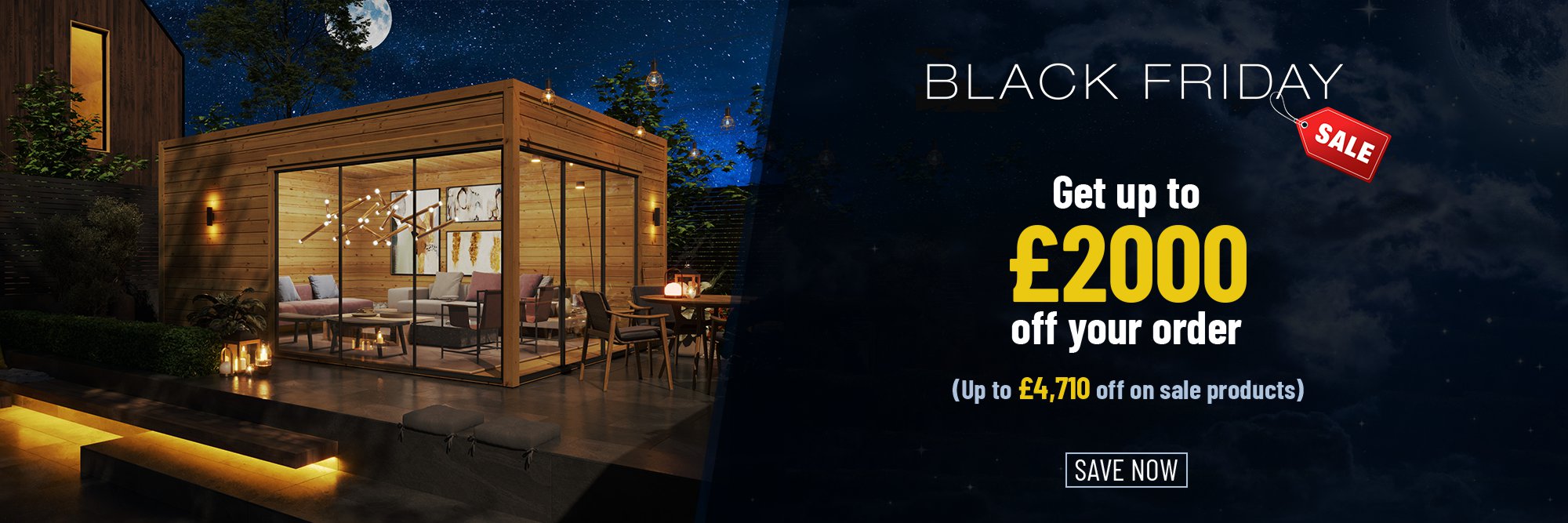
Golf simulator flooring: hitting mats, flooring and subflooring
Ask a supplier for “golf simulator flooring” and there’s a decent chance you’ll get asked back which part you actually mean, because it covers three genuinely different products that just happen to sit in the same part of the room.
The hitting mat is the one doing a lot work – it takes the actual impact of every swing, which is more than you can say for the other two.
Surrounding turf, by contrast, is mostly there for comfort and looks, and it comes in a few different types depending on what you actually want it to do.
Subfloor or underlay goes underneath both of those. This is the layer people are most likely to skip, usually without realising the importance of having a level structure that isolates noise and determines the comfort of the game. No-one wants additional joint pressure that comes with hard surfaces like concrete.
You’ll most likely end up buying all three separately, and getting one of them right won’t tell you much about how to get the other two right, since they’re solving completely different problems.
-
Fast deliverySKU G0349
Garden Golf Simulator Room-2 6x4m | 70 mm
£11,450.0027m270mm468x618 cmBlack Friday! Extra -£1,000 at checkout
-
SKU G0398
Garden Room "Golf Simulator 5" 28m² | 6 x 4 m | 70mm
£13,200.0028m270mm640x490 cmBlack Friday! Extra -£1,000 at checkout
-
SKU G0410
Golf sim cabin "Ibiza" 33m² | 9 x 4 m | 70mm
£13,725.0033m270mm920x410 cmBlack Friday! Extra -£1,000 at checkout
The mat, and what it actually costs
This is where most of the budget should go, since it’s the one part of the floor you’re actually standing on and striking off every single time. Cutting corners her may cost you something physical rather than just something cosmetic.
Thickness matters more than you’d expect. A mat that is too thin sends the impact straight into your wrists and elbows. Keep in mind, it’s not something you’ll notice in a two-minute showroom test so much as three months into daily use.
What’s less obvious is that too soft is its own problem, not just the safer mistake. A mat with too much give lets the club slide under the ball on a slightly fat shot, so the numbers on screen look fine while the same swing on real turf would’ve come up short.
This mean that s a too-soft mat can actually mask exactly the fault you’re trying to fix. It’ll also throw off your launch and spin data, since the club’s interacting with too much mat before it ever gets to the ball. It may also develop dips and uneven wear that quietly shift your ball position over time.
The mat you want sits between the two extremes: firm enough to give you data you can trust, forgiving enough that your joints hold up over hundreds of sessions.
Mat price ranges
Turf density and pile height change how a strike genuinely feels, especially on iron shots, where the club needs something real to interact with rather than just bouncing off a hard base underneath.
Budget mats, from around £80, will get you swinging just fine, though they tend to compact and go hard within a few months of regular use — a non-issue if you’re only out there occasionally, a real one if this becomes a daily habit.
Mid-range mats run £150–£300, and that’s genuinely where most serious home setups end up — TrueStrike and Fiberbuilt both sit in this bracket, with denser turf and shock absorption that actually holds up.
Premium mats, £300–£500 and up, add gel layers or multi-surface construction and hold their feel for years rather than months – which isn’t some mysterious quality difference, it’s simply a mat built to survive the same abuse for longer.
Some specialist studio-grade mats go well beyond that ceiling too, so treat £500 as where “premium” starts rather than where it ends. A few of the best-known ones at that top tier aren’t sold in the UK at all, so getting one means importing from the US directly – worth factoring in shipping cost and lead time before you set your heart on a specific model you can’t actually buy here yet.
One more decision worth knowing about before you buy: a full mat (typically 4–5ft by 6–10ft, standing and hitting on one surface) versus a hitting strip recessed into the surrounding turf, sitting flush rather than as a raised island in the middle of the room.
The strip costs less and looks tidier once it’s in. It’s also a bigger installation job, since getting it properly flush means building the subfloor around it rather than just placing a mat on top of whatever’s already there. This is one of those jobs that gets noticeably easier when you’re starting from a proper level timber floor rather than concrete, since there’s no subfloor to build from scratch before the strip can sit flush.
It’s a quiet advantage of a purpose-made cabin over a garage conversion that rarely gets mentioned. Garden buildings have moved a long way past sheds and summerhouses — contemporary garden rooms now cover everything from home offices to gyms to golf simulators, and a proper timber floor is part of what makes all of those uses actually work, not just this one.
Your own golf room, without the middleman price tag
Summerhouse24 builds every cabin – no reseller mark-up – so you get the ceiling height, insulation and craftsmanship a proper golf sim room needs at a genuine factory price.
Every model comes with a 5-year guarantee and free UK delivery included.
Rated 5 stars on Trustpilot by thousands of customers across Europe.


Turf, and what type actually suits you
Turf isn’t one product either – it splits into putting turf and higher-pile “fairway” turf. Here’s what you need to know about each.
Putting turf
Putting turf is about roll quality and consistency, and it’s genuinely worth having if short-game practice matters to you. Quality putting turf usually comes with a published Stimp rating, so you know what speed you’re actually training on.
If you haven’t come across the term, a Stimpmeter is just a small ramp: release a ball from a fixed point, measure how far it rolls, and that distance in feet is your Stimp number.
Most ordinary courses play somewhere around Stimp 8–10. Good simulator putting turf tends to sit around 10–11, matching a well-maintained course rather than a tournament green. Anything north of 12–13 is genuinely fast, being closer to what pros putt on than anything most golfers should actually train on.
Two things worth knowing before you worry too much about the number itself.
First, new turf plays slower than its rating for the first few months – synthetic fibres need time to settle, and the same turf can climb a point or so as it beds in.
Second, consistency matters more than the number: a turf that rolls a reliable 9 every time beats one that claims 12 but wobbles, because cheap fibres flatten unevenly. Whatever speed you land on, match it in your software too – GSPro and E6 both let you set a green speed, and syncing that to your actual turf is what makes the practice feel real rather than just approximately real.
High pile turf
High pile turf is the other option, and for a differen reason. It’s there to look and feel like a fairway around the hitting area, control how the ball behaves underfoot, and generally stop the room looking like a garage with a screen in it. It won’t give you a true putting roll, so don’t buy it expecting short-game practice value; buy putting turf separately for that.
Turf also quietens the room, since a ball dropping onto turf makes noticeably less noise than one dropping onto bare board or concrete. In addition, it controls the roll-out after a shot rather than letting the ball bounce around unpredictably.
Some setups add a ball return ramp alongside the turf. This is a small sloped channel that guides the ball back toward you rather than leaving it to end up wherever it happens to stop. It’s a convenience feature, not a necessity, but it’s one of those small additions that makes a session genuinely smooth.
Surrounding turf runs to roughly £8 per square metre for something perfectly serviceable. A real UK build we looked at costed a 2.5m by 4m roll at just under £80. Spend more if putting practice is genuinely part of the plan; otherwise, this is not where the money should go.
Subfloor, and why it’s worth the extra step
Subfloor is the layer almost everyone skips, though whether you actually need it depends more on what’s underneath than most guides let on. A golf sim room is really just a garden log cabin built specifically for playing golf rather than for storage or a home office.
And, if you’re building in one with a proper timber floor already, the included floorboards are generally doing the job a subfloor would otherwise be there for. You’re laying turf and a mat over a floor with some natural give and separation from the ground, not over cold, hard concrete.
Subfloor earns its keep mainly when concrete is the actual base, which is the situation most garage and shed conversions are in. If that’s you, here’s the fork worth knowing about: foam tiles or a built wood subfloor.
Foam interlocking tiles are the quicker route. They’re light and no real tools are required, plus it’s typically simple to cut around a recessed mat if you’re going that route. The trade-off is that lower-density tiles can shift or compress over time in the areas that see the most traffic, and seams can show depending on tile quality and how the turf sits over them.
A proper wood subfloor, built from a 2×4 frame with plywood over the top, is the more permanent answer, and it’s genuinely the easier path to a flush, recessed hitting mat with no lip or step anywhere in the room. It costs more in time and materials than foam tiles, and it’s a real project rather than an afternoon job. But if you want the finished, built-in look rather than “a mat sitting on the floor,” this is how you get it.
Either way, subfloor’s real job is reducing noise and increasing comfort. A basic carpet underlay costs around £3–£4 per square metre, and skipping it entirely is probably the most common mistake in a DIY build, because without it, impact sound travels straight through the floor into whatever’s below or beside the room. With even a basic layer down, it mostly doesn’t.
Some UK retailers now sell dedicated interlocking EVA foam mats built specifically for this job, and they cost more than plain underlay, but that’s because they’re actually built for repeated impact rather than borrowed from some other use case entirely.
One more thing worth a mention if you’re flooring a converted garage or shed rather than a purpose-built room: concrete holds and transmits damp more than people expect, even when nothing looks visibly wet. A simple moisture barrier under a wood subfloor is cheap insurance against turf and timber quietly degrading over a few damp winters.
What a full floor actually costs
At the budget end – a basic mat, basic turf, basic underlay – you’re looking at somewhere around £150–£200 all in. Go premium on the mat, add putting turf and proper acoustic subfloor throughout, and that climbs to £600–£900 or more, sometimes higher again if you’re building a full wood subfloor with a flush-recessed strip.
The turf barely moves that number either way. It’s the mat and the subfloor you need to account for the most. And if you’re flooring a garden room or golf sim cabin rather than a garage, that subfloor line item may not apply to you at all.
So if you’re deciding where the budget actually goes: spend on the mat, spend on the subfloor if you want the finished look and the quiet room, and don’t feel any need to apologise for buying the cheapest turf on the shelf unless putting practice genuinely matters to you. That’s the flooring cost on its own — for the full picture including the room itself, launch monitor tiers and installation, see our complete golf sim rooms UK guide.
The floorboards in our golf simulator cabins give you a solid, level base before any of this goes down, so that part’s already sorted if you’re building with us. Still working out the rest of the room? Our golf simulator room ideas guide covers layout, lighting and screen placement.
Categories:
Guides
Tiny homes have gone from a niche idea to a regular fixture of UK property feeds, TV and Instagram. The appeal is easy to see: lower bills, less stuff, a smaller footprint and a building you can understand from end to end. The reality in the UK is more complicated. Planning law has no category…
Are you wondering what is the purpose of a sauna hat? The first time you see someone walk into a sauna wearing a felt hat, it can frankly look silly. Something you’d buy at a Christmas market and never wear again. Then you sit on the top bench for ten minutes without one, feel the…

Your own sauna and cold plunge at home make for a real treat any time of the year. While most garden buildings find less use in winter, saunas still earn their keep and it’s not hard to see why. When it’s cold and dark outside, the better that first wave of heat feels. In Finland…
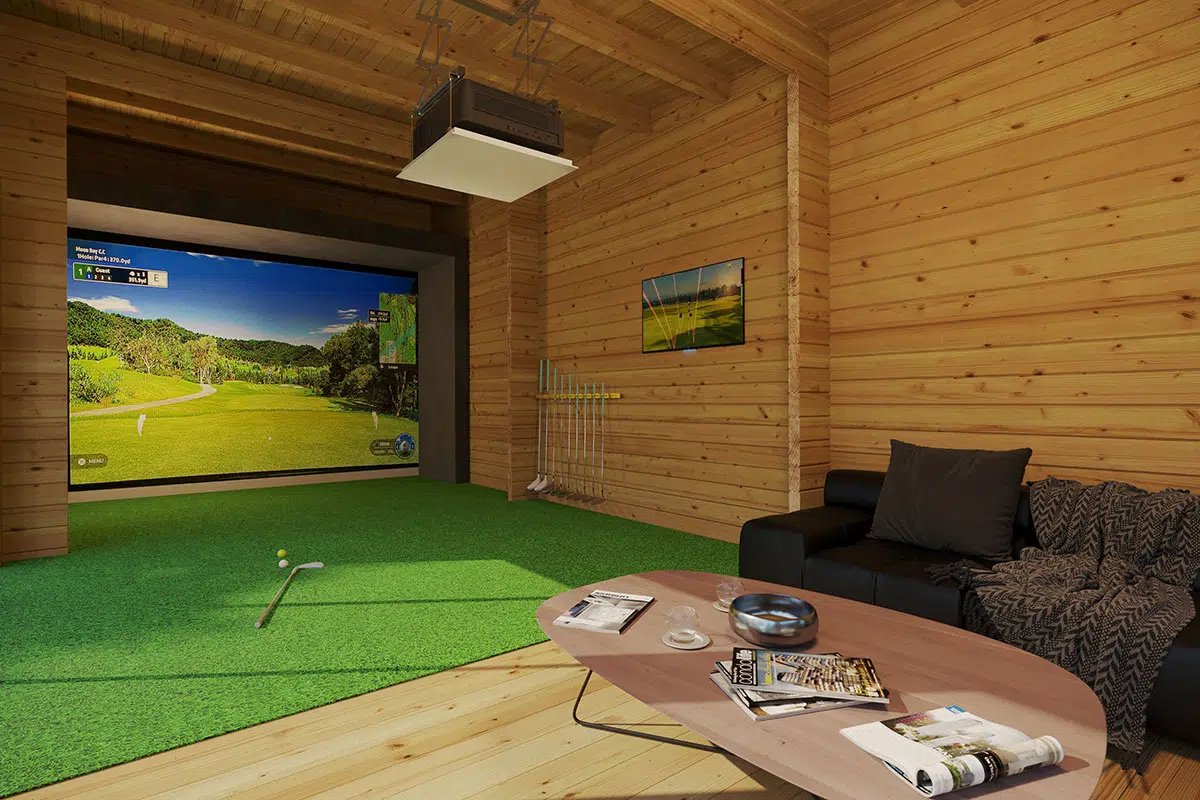
You’ve seen enclosure kits priced at over £1,000, you’ve priced the materials at a fraction of that, and building one looks like an obvious win. Sometimes it is. But the people who’ve actually done it keep describing the same few problems, and none of them is the frame. We build golf rooms, not enclosures, so…
Want to discuss over phone. Let us call back to you
If you need any additional info regarding any product, please fill in the below form and we will get back to you, usually the same or next working day.
Have any questions regarding some product?
If you need any additional info regarding any product, please send us your questions.