



Shed Skirting: What to Put Around the Bottom of a Shed (Complete Guide)
Published: 25.02.2026 / Last updated: 25.02.2026
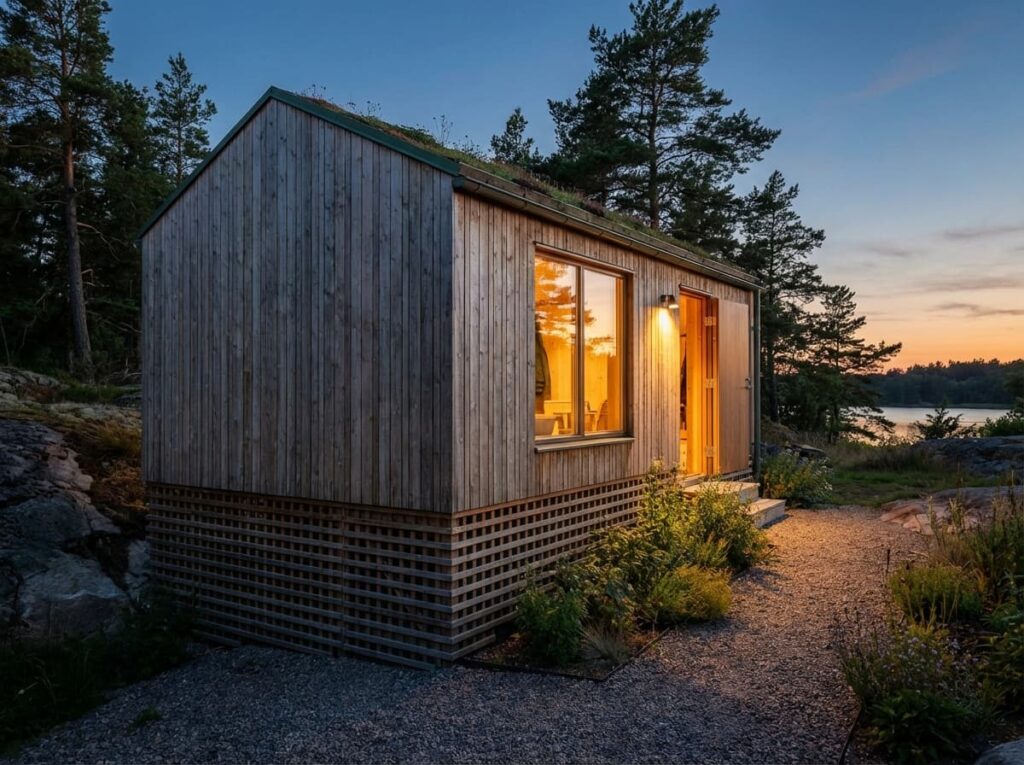
If you’ve recently installed a shed – or you’re finally giving an older one some attention – you’ve probably found yourself wondering what to put around the bottom of a shed to protect it properly. It’s one of those finishing details that’s easy to overlook at first, but once you notice that gap between the shed floor and the ground, you can’t unsee it.
That finishing detail is called shed skirting, and while it might look purely cosmetic, it actually plays a much bigger role. Done properly, it helps protect your shed from damp, pests, wind exposure, and long-term structural wear. Done badly, it can trap moisture and create more problems than it solves.
In this guide, we’ll walk through what shed skirting actually is, the most practical shed skirting ideas (including DIY and longer-term options), what to use for shed skirting in UK conditions, how to install it step by step and the most common mistakes to avoid.
Table of contents
- What is shed skirting?
- Why shed skirting is important
- Shed skirting ideas (most popular options)
- What to put around the bottom of a shed (quick comparison)
- How to install skirting around a shed
- Common shed skirting mistakes
- Does a high-quality shed still need skirting?
- Upgrade instead of constant DIY fixes
- Frequently asked questions
- Final thoughts


What is shed skirting?
Shed skirting is the material installed around the bottom perimeter of a shed to close the visible gap between the shed floor and the ground. That gap exists for good reason – it allows airflow and prevents moisture from sitting directly against the timber – but it can look unfinished and leave the underside exposed.
The purpose of skirting is to improve the overall appearance, block animals and rodents from nesting underneath, reduce wind blowing debris under the structure, protect against rain splashback, and in some cases, slightly improve insulation performance.
It can be made from timber boards, composite panels, brick, gravel borders, lattice panels, or metal mesh, depending on what you’re trying to achieve. One important thing to understand is that shed skirting should never completely seal the shed airtight. Ventilation underneath your shed is essential to prevent condensation, rot, and long-term timber damage.
Before you install skirting… check your shed design
Many skirting problems come from sheds that weren’t designed with proper ground clearance or ventilation in mind. If you’re constantly repairing damp boards or replacing lower panels, the issue may not be the skirting – but the shed itself.
Summerhouse24’s premium timber sheds and summer houses are engineered with correct base clearance, treated wall logs, and structural durability designed for UK weather conditions.
🤝 Direct from Factory ⭐ 5-Star Rating on Trustpilot 🛠 5-Year Structural Guarantee
-
SKU G0080
Wooden Carport with Tool Shed "Arthur" 21m² | 70mm | 3.5×7m
£6,600.007.5m270mm678x328 cmBlack Friday! Extra -£500 at checkout
Why shed skirting is important
Many shed owners only start thinking about skirting once they notice a problem. Maybe you’ve seen animals nesting underneath, wind blowing leaves and rubbish inside the gap, visible concrete blocks or uneven foundations, or damp forming along the lower wall boards.
The bottom 10–15 cm of your shed is the most vulnerable area because it’s exposed to rain splashback, ground moisture, and constant airflow turbulence. In the UK, especially, where rainfall is frequent and soil stays damp for long periods, that lower section takes a beating. Well-installed shed skirting protects this critical zone, improves the finish of your garden building, and helps extend the lifespan of the structure.
Shed skirting ideas (most popular options)
There isn’t a single “best” solution. The right choice depends on your budget, your base type, your drainage conditions, and whether you care more about appearance, pest control, or long-term durability.
Timber shed skirting
Timber is by far the most common DIY shed skirting option in the UK. Pressure-treated boards are cut to size and fixed around the perimeter to cover the gap. It’s affordable, widely available, and easy to match with your shed cladding.
The upside is that it’s budget-friendly and straightforward to install. The downside is that timber requires maintenance, must never sit directly on soil, and can trap moisture if installed too tightly without airflow gaps. This option works well for standard garden sheds sitting on paving slabs or timber bases.
Lattice panels
Lattice skirting is popular in decorative garden designs and works particularly well if you want to hide the gap without blocking ventilation. Because of the open structure, airflow is maintained naturally. It’s not the most secure option against rodents unless mesh is added behind it, but it does improve appearance while allowing the shed to breathe.
Gravel or decorative stone border
A gravel perimeter isn’t traditional skirting, but in many UK gardens it’s actually the most practical solution. Instead of attaching boards, you create a gravel border around the shed. This improves drainage, reduces splashback, and discourages rodents from burrowing. It’s low maintenance and particularly effective in wetter climates where moisture management is the priority.
Brick or block skirting wall
For a more permanent solution, especially for insulated sheds or garden rooms, a low brick perimeter can be installed. This approach is more labour-intensive and expensive, but it offers durability and a polished finish. It’s best suited for heavier timber buildings or garden rooms where long-term stability is important.
Composite or PVC skirting panels
If you’ve researched shed skirting online, you’ve likely come across systems from DuraSkirt, which are commonly sold in the US for mobile homes and sheds through retailers like Home Depot. These composite or PVC panels are low maintenance, resistant to rot, and long-lasting.
In the UK, similar options are available through specialist suppliers, although they’re less common than timber. They can be a good choice if you want durability without ongoing maintenance.
Metal rodent mesh
If pests are your main concern, galvanised metal mesh fixed behind timber trim is one of the most effective solutions. It blocks animals while still allowing airflow. This is often combined with timber boards for appearance while maintaining proper ventilation.
What to put around the bottom of a shed (quick comparison)
If you’re trying to decide quickly, here’s the simple version. Timber boards are affordable and easy, but need maintenance. Lattice panels are decorative and ventilated but less secure. Gravel borders are excellent for drainage and low maintenance. Brick walls are durable but expensive. Composite panels are long-lasting and low-maintenance, but less common in the UK. Metal mesh is ideal for pest prevention and can be combined with other materials.
How to install skirting around a shed
If you’re asking how to put skirting around a shed properly, the process is straightforward but must be done carefully.
- First, measure the height between the shed floor and ground level around the entire perimeter and make sure the ground is level.
- Second, address drainage before installing anything. If water pools around your shed, skirting will trap that moisture.
- Third, allow ventilation. Never seal the bottom airtight.
- Fourth, fix skirting securely to the shed frame rather than directly into soil, and avoid ground contact.
- Finally, if rodents are a concern, install metal mesh behind panels for added protection.
Common shed skirting mistakes
One of the biggest mistakes is sealing the shed completely airtight. Another is allowing timber skirting to sit directly on soil, which accelerates rot.
Ignoring drainage problems is another common issue. Using untreated timber or blocking airflow in insulated sheds can cause more harm than leaving the gap open. Proper airflow is essential, and poor ventilation causes rot far faster than open gaps ever will.
Does a high-quality shed still need skirting?
Even well-built sheds benefit from skirting for appearance and pest control, but a properly engineered shed should already sit on a prepared base with adequate ground clearance and pressure-treated lower boards.
Skirting should enhance and protect the structure, not compensate for poor design. If you find yourself constantly repairing damp panels or replacing lower boards, the issue may be the shed quality rather than the lack of skirting.
Upgrade instead of constant DIY fixes
If you’re installing skirting to extend the life of a lower-quality shed, it may be time to upgrade instead of patching problems year after year.
Discover Summerhouse24’s timber sheds and premium garden buildings – engineered for durability from the ground up.
🏆 Best Standard Kit In the UK ⭐ 5-Star Rating on Trustpilot 🛠 Built to Last
-
SKU G0172
Summer House with Shed Super Otto 15m2 | 44mm | 5 x 3 m
£5,600.0015m244mm498x298 cmBlack Friday! Extra -£500 at checkout
-
SKU G0296
Large Double Storage Shed Type A 15m² | 44mm | 5 x 3 m
£5,000.0015m244mm498x298 cmBlack Friday! Extra -£500 at checkout
-
SKU G0084
Garden house "Johanna B" 12.5m² | 44mm | 4×4 m
£5,200.0012.5m244mm388x328 cmBlack Friday! Extra -£500 at checkout
Frequently asked questions
Pressure-treated timber and composite panels are the most common choices. If pest control is a concern, add metal mesh behind the skirting.
No. Completely sealing the bottom prevents airflow and can cause condensation and rot.
No. Always leave a small gap to prevent moisture absorption and decay.
DuraSkirt is primarily a US product. Similar composite skirting systems may be available from UK suppliers.
They can benefit from skirting for appearance and pest control, but ventilation must always be maintained.
Final thoughts
Shed skirting isn’t just about making your garden look neat. It protects the most vulnerable part of your shed and can extend its lifespan significantly when installed correctly. The best solution depends on your shed quality, your base type, your drainage conditions, and how much maintenance you’re willing to take on. Take your time, prioritise ventilation, and focus on moisture control first. When you get those fundamentals right, shed skirting becomes a smart finishing touch rather than a future repair job waiting to happen.

Tiny homes have gone from a niche idea to a regular fixture of UK property feeds, TV and Instagram. The appeal is easy to see: lower bills, less stuff, a smaller footprint and a building you can understand from end to end. The reality in the UK is more complicated. Planning law has no category…

Are you wondering what is the purpose of a sauna hat? The first time you see someone walk into a sauna wearing a felt hat, it can frankly look silly. Something you’d buy at a Christmas market and never wear again. Then you sit on the top bench for ten minutes without one, feel the…

Your own sauna and cold plunge at home make for a real treat any time of the year. While most garden buildings find less use in winter, saunas still earn their keep and it’s not hard to see why. When it’s cold and dark outside, the better that first wave of heat feels. In Finland…

You’ve seen enclosure kits priced at over £1,000, you’ve priced the materials at a fraction of that, and building one looks like an obvious win. Sometimes it is. But the people who’ve actually done it keep describing the same few problems, and none of them is the frame. We build golf rooms, not enclosures, so…
Want to discuss over phone. Let us call back to you
If you need any additional info regarding any product, please fill in the below form and we will get back to you, usually the same or next working day.
Have any questions regarding some product?
If you need any additional info regarding any product, please send us your questions.